Drone Engineer Basics
Build it. Understand it. Fly it.
An intro-level, two-day weekend course supervised by drone experts: no experience needed. You'll build your own drone, configure it, fly it, and leave understanding how every part works.
- Cost
- €999.00
- Duration
- 2 days (16 hours total)
- Next date
- OCT 24–25
- Group size
- 8-12 people
About this course
Who is it for?
Hobbyists, students and professionals who want hands-on experience building, configuring and flying drones. Also suitable for companies training new or existing staff. No prior experience needed.
What is it?
A two-day introduction to drone engineering. You assemble the hardware, set up the flight software and learn to pilot, with the theory behind each step explained along the way. You practise in a simulator first, then fly your own drone at our indoor facilities in Delft.
What you get:
Small groups. There's plenty of room for your questions and personal, hands-on help.
Expert instructors. Multiple drone engineers are with you throughout the weekend to share tips and help whenever you get stuck.
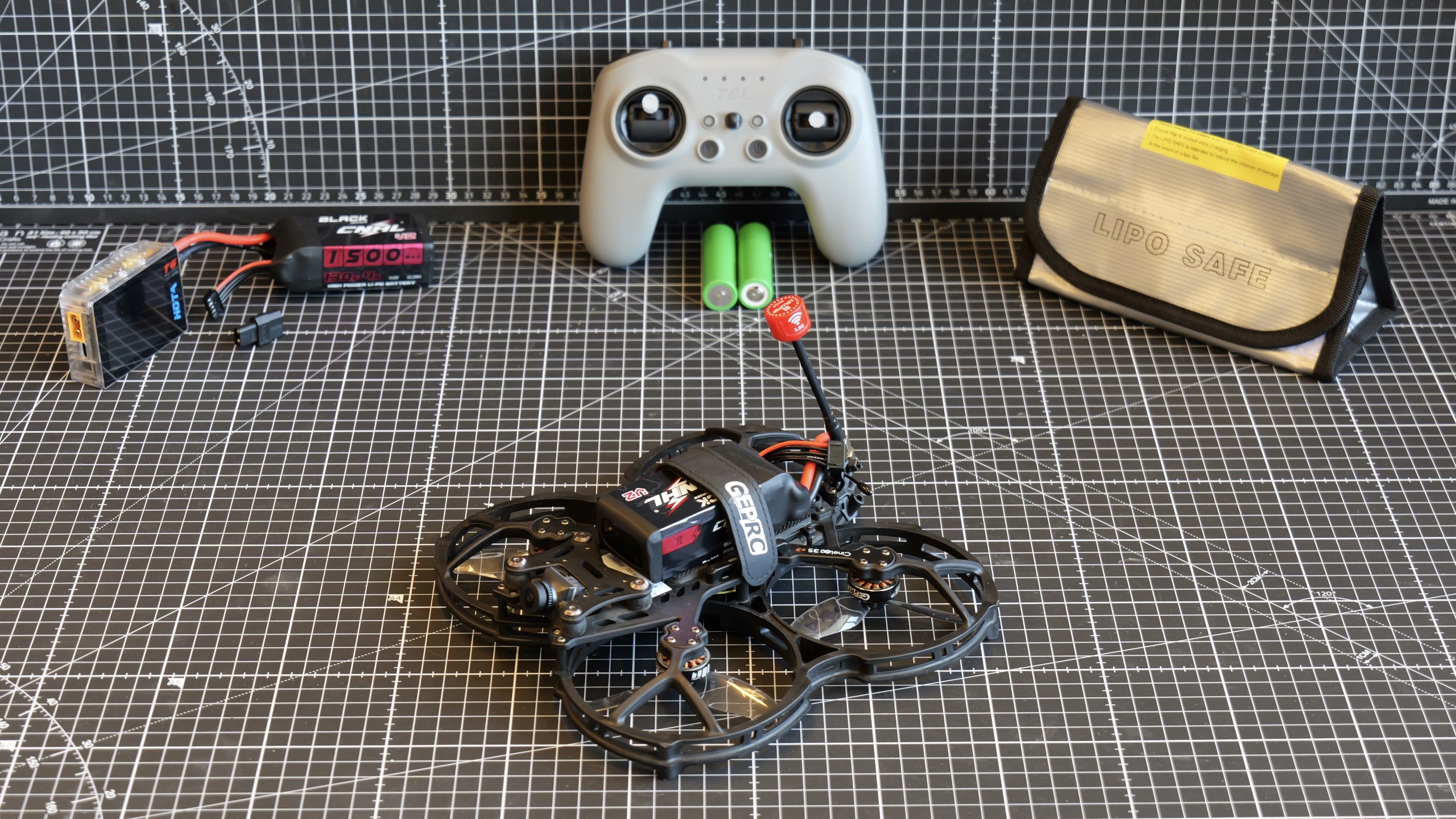
A ready-to-fly package. You take home your drone, controller, charger and batteries, fully configured. No extra setup needed: it's ready for your next flight.
Why this course?
Learning drone engineering on your own costs a lot of time and money. In one weekend, this course gives you the essential skills to start as a drone engineer, with the right components, tools and guidance.
Certificate
After completing the course, you receive a certificate designed in line with the EU guidelines for micro-credentials, giving you clear, verifiable proof of the skills you've gained.
One all-in package
- DDI-designed drone kit
- €500
- 16 hours of hands-on training
- €499
- Certificate and community access
- Included
- Total
- €999.00
No hidden costs. Take the drone home. Lunch included.
Included with the course
- 3.5'' FPV drone
- Radio controller (ELRS)
- LiPo battery with LiPo safety bag
- Smart LiPo charger
- FPV drone flight simulator (software licence)
- Lunch on both days
- Certificate of completion, designed in line with the EU approach to micro-credentials
- Course materials with key theory, tips and tricks
- Access to the DDI community
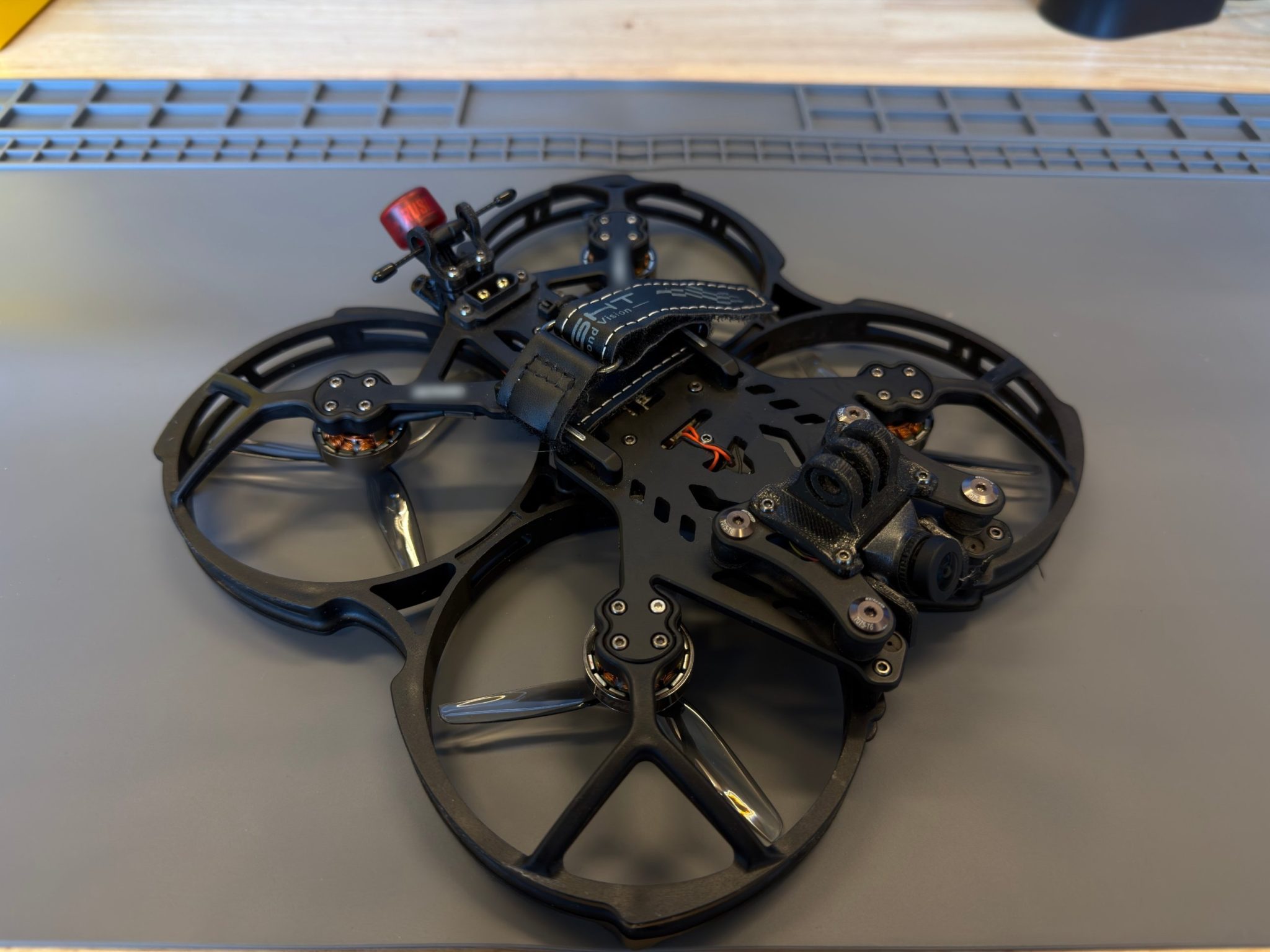
3.5'' FPV drone
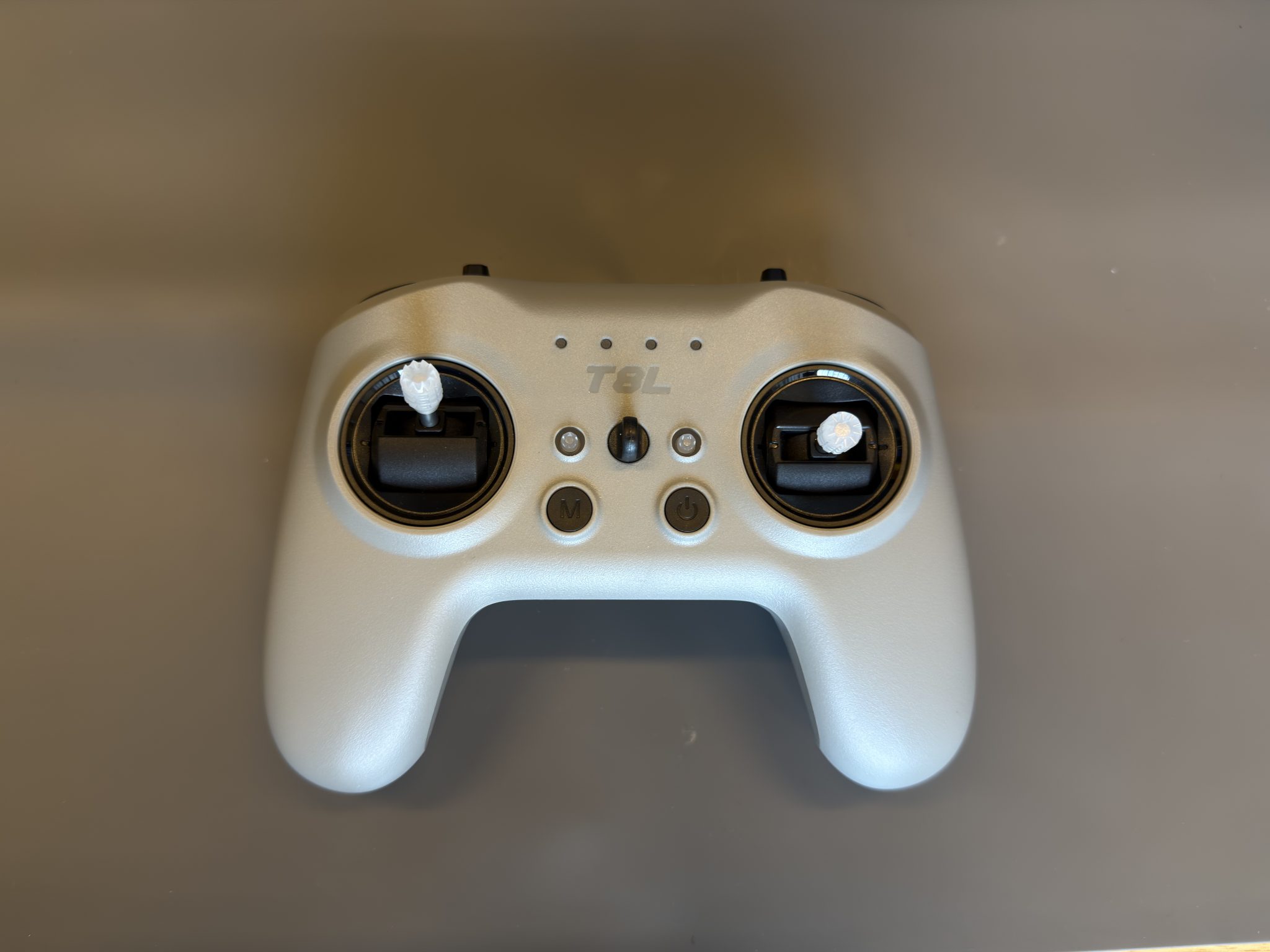
Radio controller (ELRS)
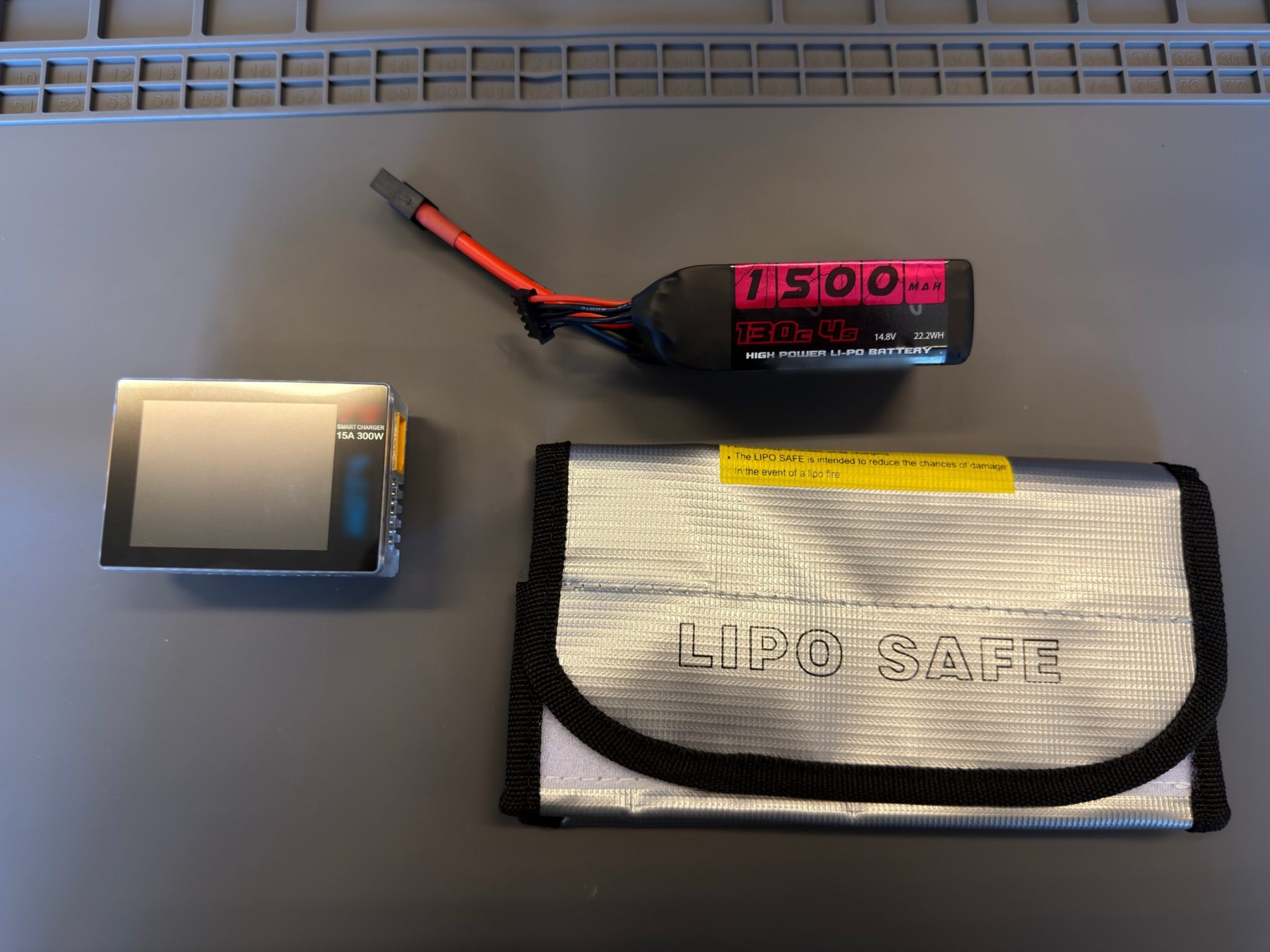
Battery set
Practical information
Prerequisites
A PC
12 years or older
Curiosity for drones
How to sign up and participate
Create a DDI account
When logged in, register and pay
Receive confirmation and information mails
Read the safety documents before attending
Attend the course @ DDI facility
After successful completion receive certificate of participation
Full list of learning outcomes
- LO.1 Identify the key components of an FPV drone — frame, flight controller, ESC, motors, propellers, camera, video transmitter, receiver, radio controller, goggles and battery — explain what each one does, and explain the main criteria for selecting them so that they work together.
- LO.2 Explain the risks of LiPo batteries and the rules for safe charging, storage, transport and disposal.
- LO.3 Describe how thrust and attitude control produce drone movement, the basic role of flight modes, rates and PID settings, and recognise effects you encounter in flight such as ground effect, propwash vortex ring state.
- LO.4 Select and safely use the hand tools, soldering equipment and measuring equipment needed to build and maintain a drone.
- LO.5 Produce sound solder joints on drone electronics, applying correct tip selection, temperature, tinning and flux technique.
- LO.6 Assemble a complete FPV drone from loose components, working from written build instructions.
- LO.7 Configure your drone in Betaflight — receiver binding, motor and ESC checks, sensor calibration, flight modes and basic rates — and set up your radio controller and video system.
- LO.8 Charge and balance LiPo batteries on a hobby charger, choosing the correct cell count, charge current and charging mode.
- LO.9 Fly basic manoeuvres — hover, controlled forward flight, turns and a controlled landing — in the simulator, on a tinywhoop, and with your own drone indoors.
- LO.10 Carry out a pre-flight check, apply the workshop rules for soldering, batteries, propellers and indoor flight, and take responsibility for your drone's airworthiness and the safety of people around you.
- LO.11 Recognise and resolve simple build and configuration faults, and recognise when to ask an instructor for support.
Assessment
During the course the learning outcomes will be assessed through a combination of quizzes, questions, tests (e.g. perform this maneuver with your drone) and especially through the fact that you build, configure, charge batteries and fly the drone yourself! (Under guidance of our instructors)
This is not only done so that you receive a “Drone Engineer Basic” certificate, but especially so that you remember the things you learned and are confident with the drone after the course!
Day-by-day program
Day 1 - (Saturday)
8 hours- Drone applications
- Drone components
- Soldering exercise
- Drone building
Day 2 - (Sunday)
8 hours- Drone theory (flight physics + control)
- Drone configuration
- Simulator practice
- Indoor flight practice with small drone
- Indoor flight with own drone
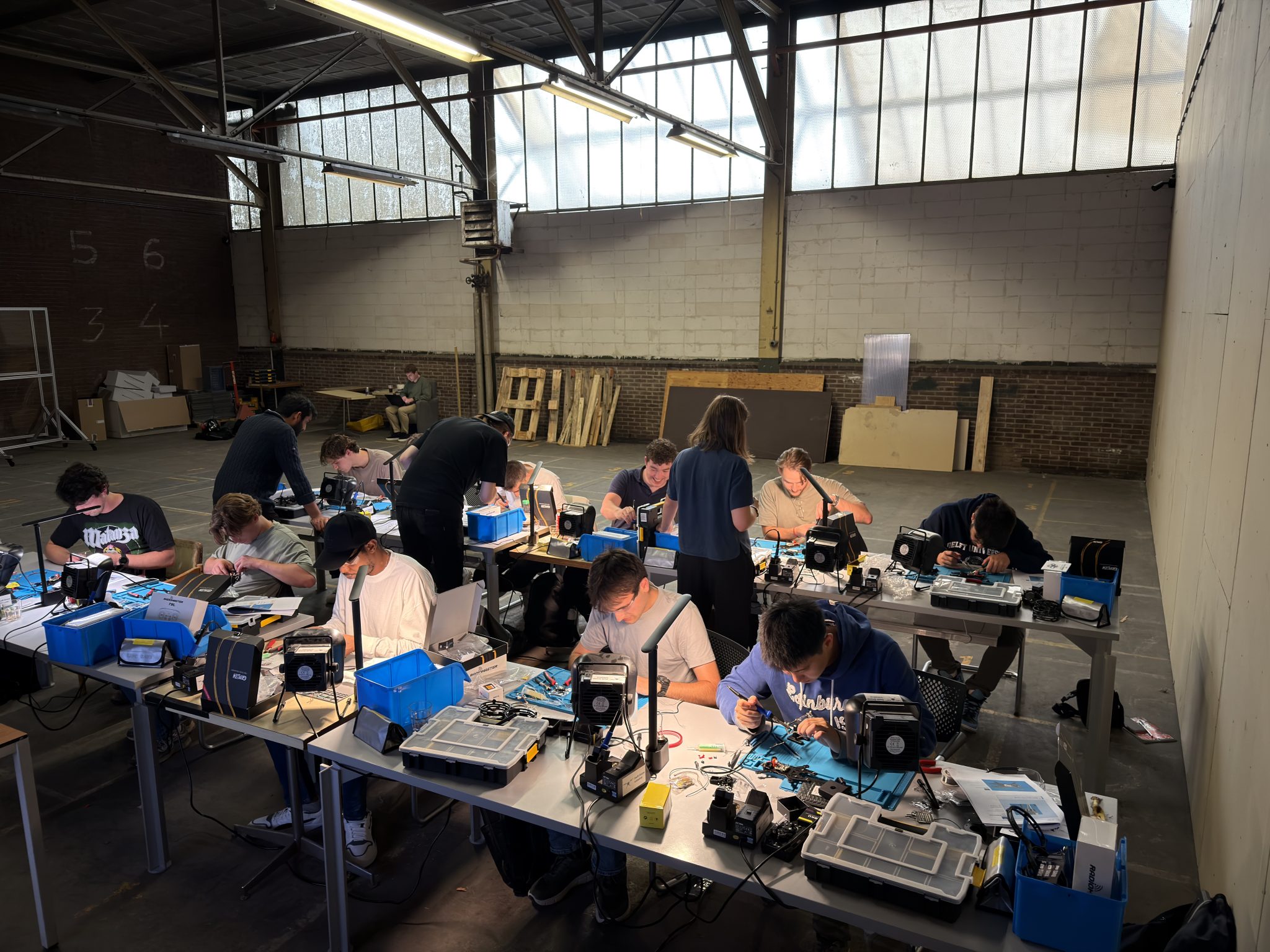
Drone Building
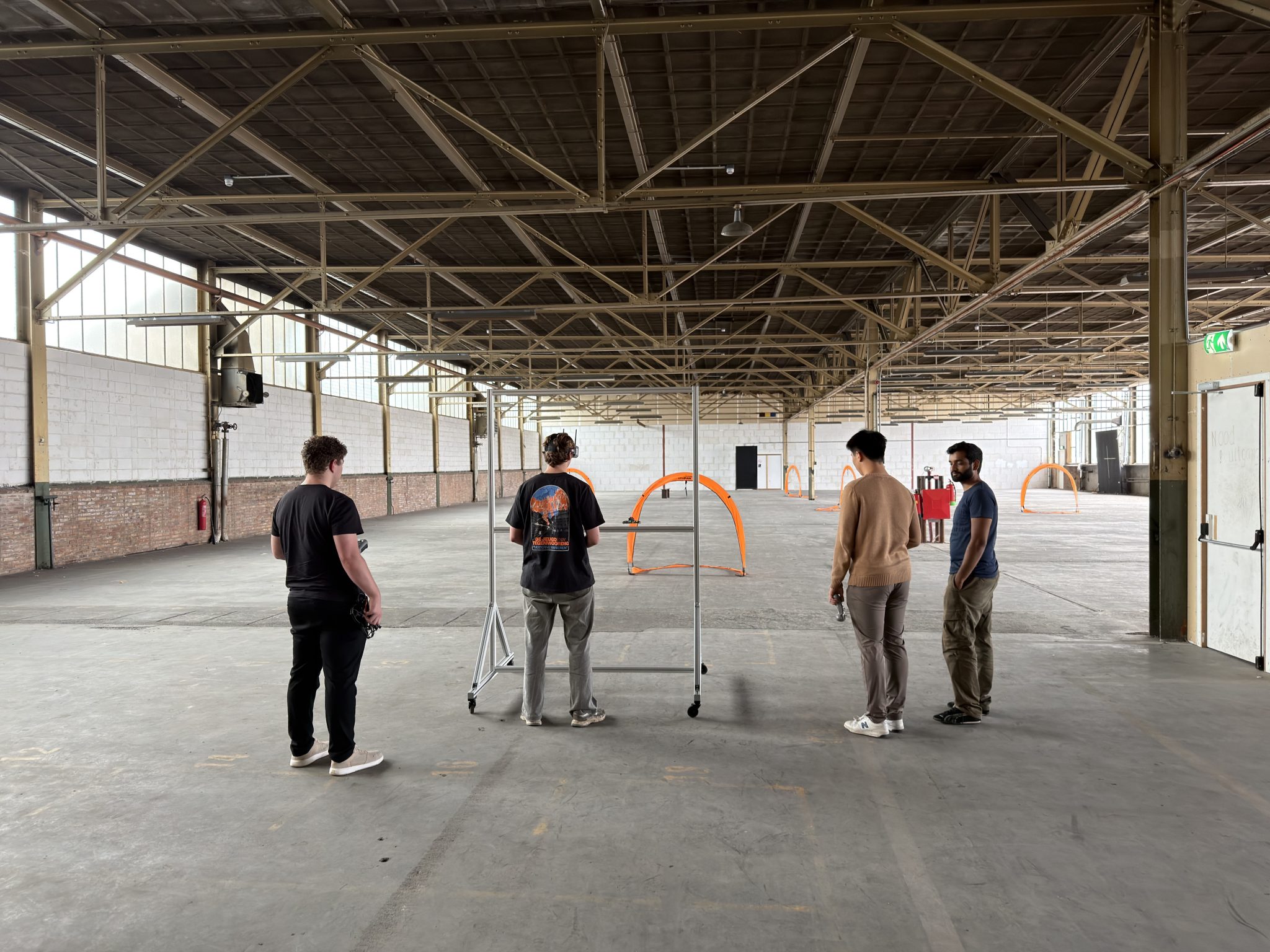
Indoor flight
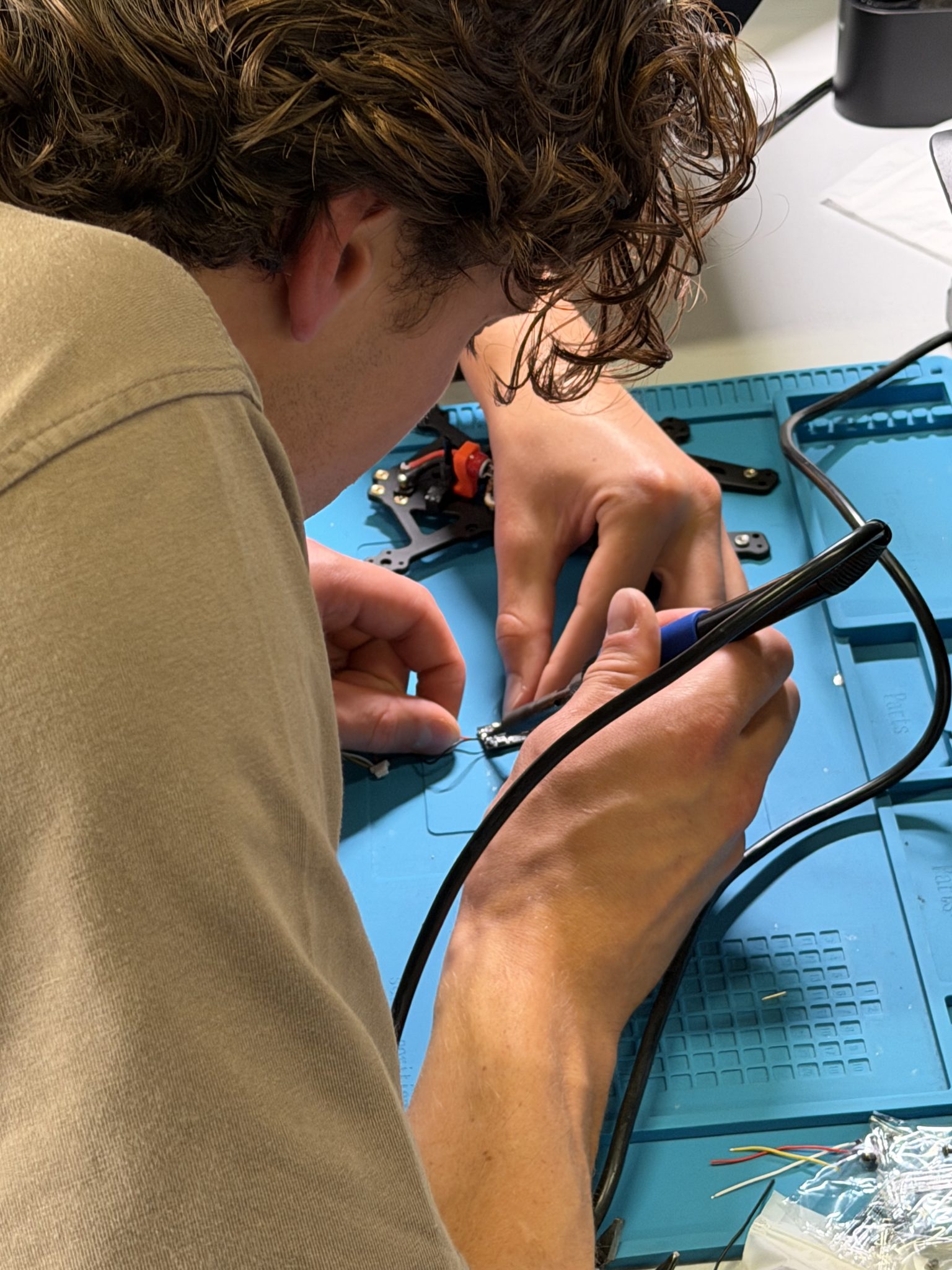
Soldering
Previous courses
Earlier editions
Book your seat
- Dates
- OCT 24–25
- Duration
- 2 days (16 hours total)
- Group size
- 8-12 people
€999.00
One-time payment
Please sign in to register
Registration for DDI courses and events runs through your account, so you can find your bookings and materials back in one place.
Other courses
Drone Engineer
Follow-up course that builds on the Engineer Basics. Extends the skill portfolio: Log analysis, 3D printing, drone upgrading. Paired with an engineering exercise: computer vision, control optimization or sensor fusion.
Specialized workshop/course
General
- Duration:
- To be announced.
- Group size:
- To be announced.
- Cost:
- To be announced.